
Discover the tech ecosystem enabling travel globally
Behind every trip sits a complex digital ecosystem. One that is constantly evolving, integrating new technologies, and shaping how people discover, book, and experience the world with ease.
Discovery and Search

Inspire and Discover
Long before a flight is booked, technology shapes where people dream of going. Social platforms, AI-powered search, and short-form video have displaced legacy review sites as the dominant inspiration layer. Generative AI tools - including ChatGPT, Gemini, and Claude - now answer "where should I go?" directly, reshaping how travel demand is created long before anyone opens a booking site.

Search, Compare & AI Transition
Metasearch engines aggregate prices across hundreds of sources, letting travellers compare options in real time without visiting every airline or hotel website. But agentic AI is now doing this invisibly inside conversational interfaces, putting the category under structural pressure. The platforms most likely to survive are those that become data infrastructure for AI agents, not just consumer-facing comparison websites.
Booking and Commerce
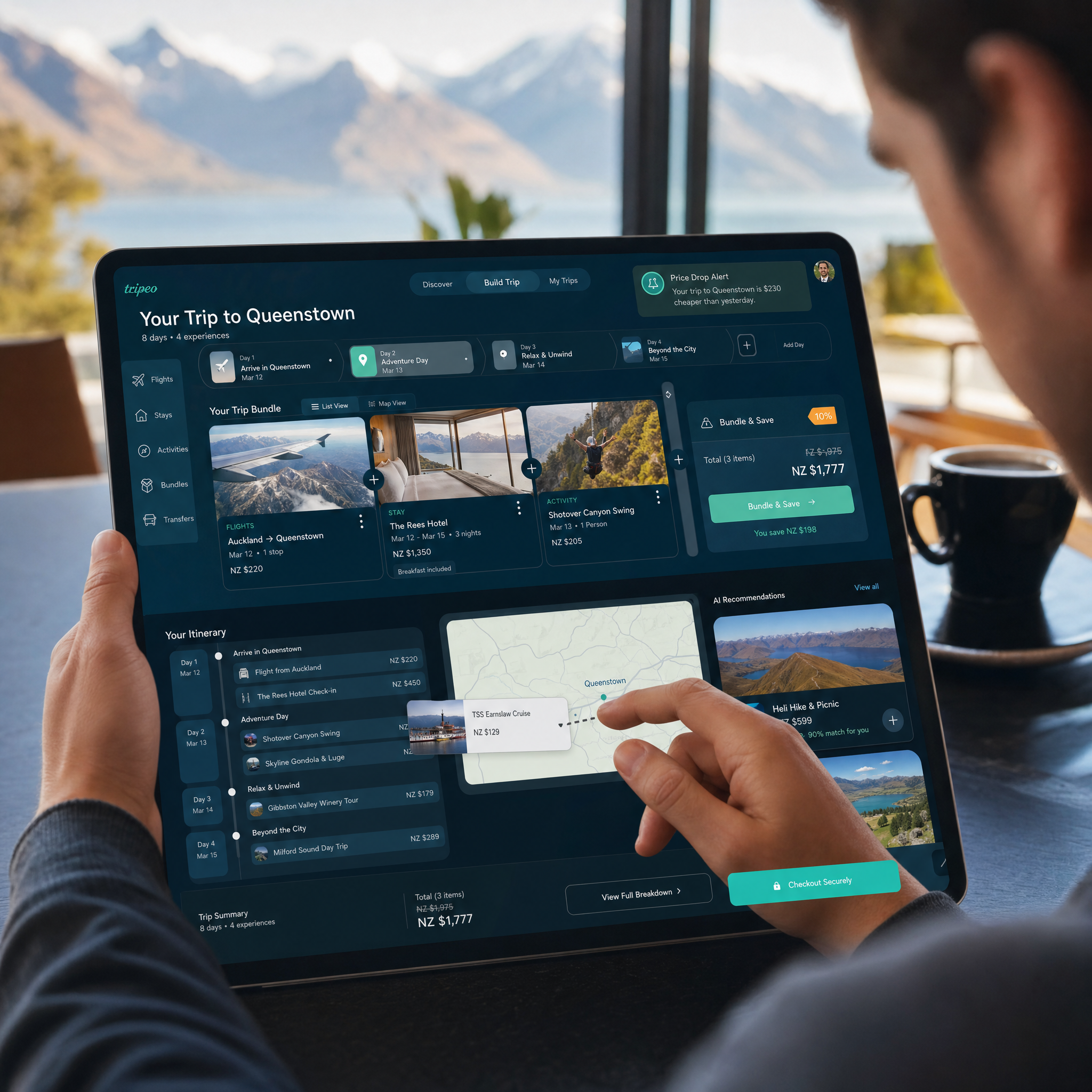
Book and Bundle
Online Travel Agencies are the most visible layer of travel commerce, packaging flights, hotels, car hire, and experiences into a single transaction. Behind every booking runs a web of supplier APIs, rate rules, and payment rails operating in milliseconds. Their dominance is now squeezed from two directions: suppliers pushing direct booking, and AI-driven distribution that may increasingly bypass the OTA interface entirely.

Agentic AI
AI tools can now assist with end-to-end trip planning, and the industry is actively exploring whether agents can make reservations and handle disruptions autonomously. The vision is compelling, but meaningful scepticism remains: inventory access, liability, and consumer trust are unsolved. Agentic travel booking is more emerging promise than established reality - though the pace of development is rapid.
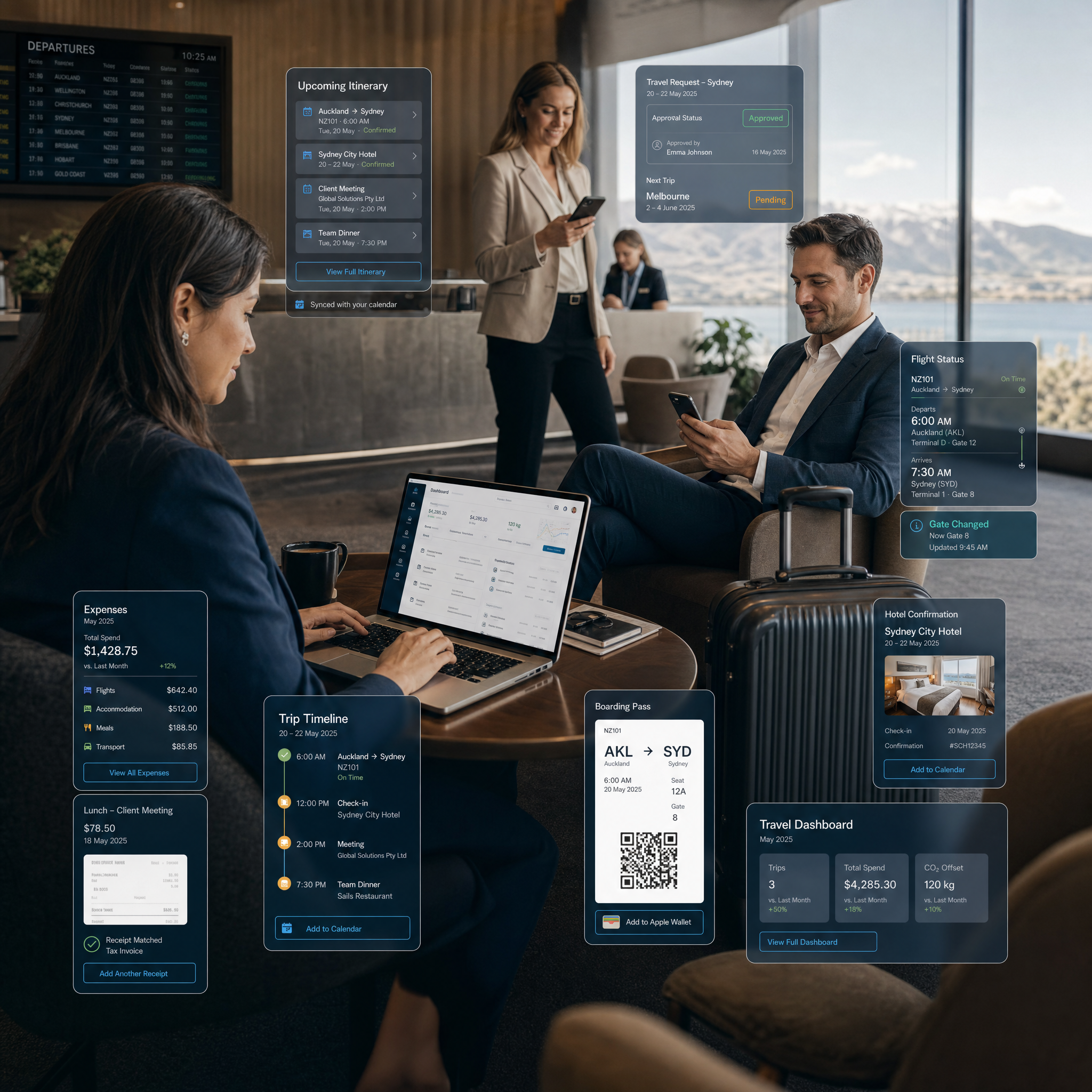
Corporate Travel Management
Business travel has its own distinct technology stack: policy compliance, approval workflows, duty of care, and expense reconciliation - needs that consumer booking platforms cannot meet. A new generation of all-in-one SaaS tools has displaced the older model of travel management companies operating on legacy systems, combining booking, policy enforcement, and expense management in a single interface.

Pay and Protect
Travel payments are unusually complex - multiple suppliers, high transaction values, dozens of currencies, and elevated fraud exposure. A specialist fintech layer handles payment processing, foreign exchange, refunds, and travel insurance underwriting. Buy-now-pay-later has become standard for high-value bookings, and virtual card infrastructure lets businesses pay suppliers dynamically without exposing payment credentials.
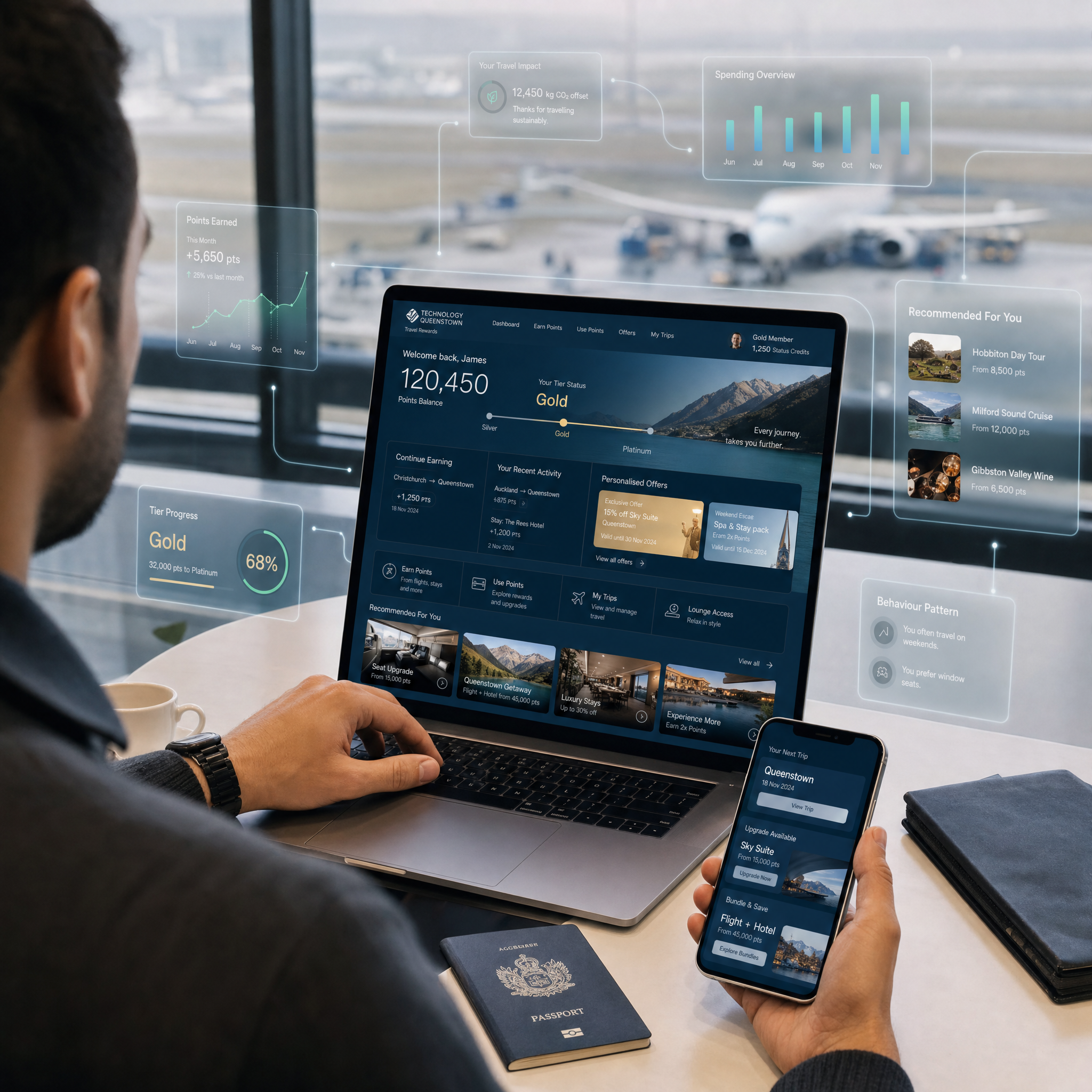
Loyalty, Data and Personalisation
Points systems and analytics platforms track traveller behaviour across every touchpoint, turning data into personalised offers and retention. Some airlines earn more from their frequent flyer programmes than from flying. Customer Data Platforms and AI personalisation engines are the infrastructure making this possible, with privacy regulation increasingly shaping what data can be collected and how it can be used.
Getting There and Around

Airline Systems - From GDS to NDC
Airline distribution has long run on Global Distribution Systems - legacy networks now in structural decline. The industry's New Distribution Capability (NDC) standard is replacing them, letting airlines distribute personalised fares, ancillaries, and bundled content directly through modern APIs. Airlines have invested heavily in NDC to reclaim margin and product control, though the transition from legacy infrastructure remains uneven.

Airport and Border Technology
Biometric identity - using your face as a boarding pass - is now operational at major airports globally. Self-service kiosks, RFID baggage tracking, automated border processing, and AI-powered security screening are removing friction at every stage. These systems handle identity verification, watchlist matching, and passenger pre-clearance across borders - making aviation security one of the largest technology-buying sectors in travel.
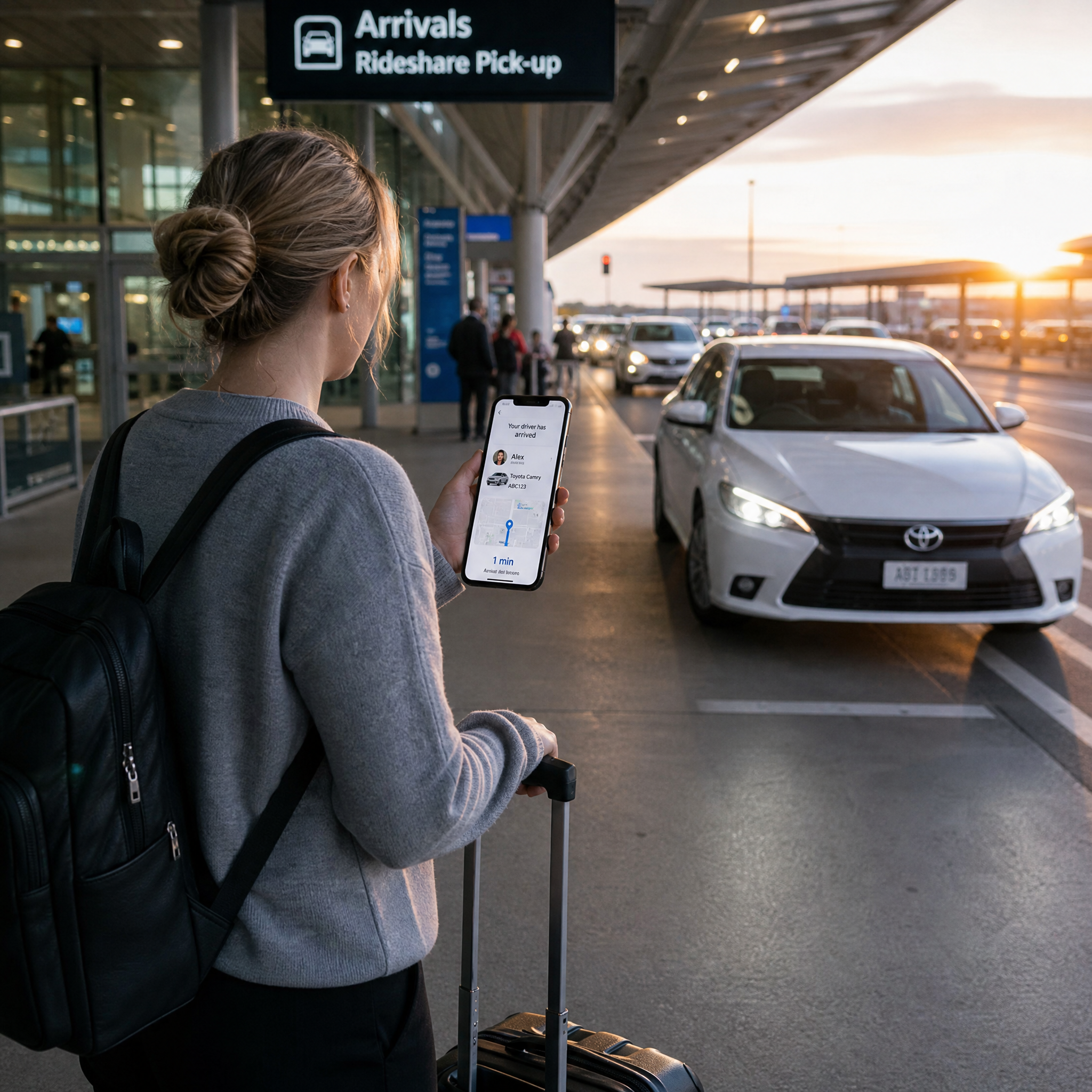
Ground Transport
Ride-hailing apps have transformed airport pickups, while rental car APIs let travel platforms bundle hire seamlessly into itineraries. The bigger opportunity is multimodal trip planning - booking flight, transfer, train, and hire car as a single managed itinerary. This remains largely unsolved and represents one of the most attractive open problems in travel tech.
Staying and Dining
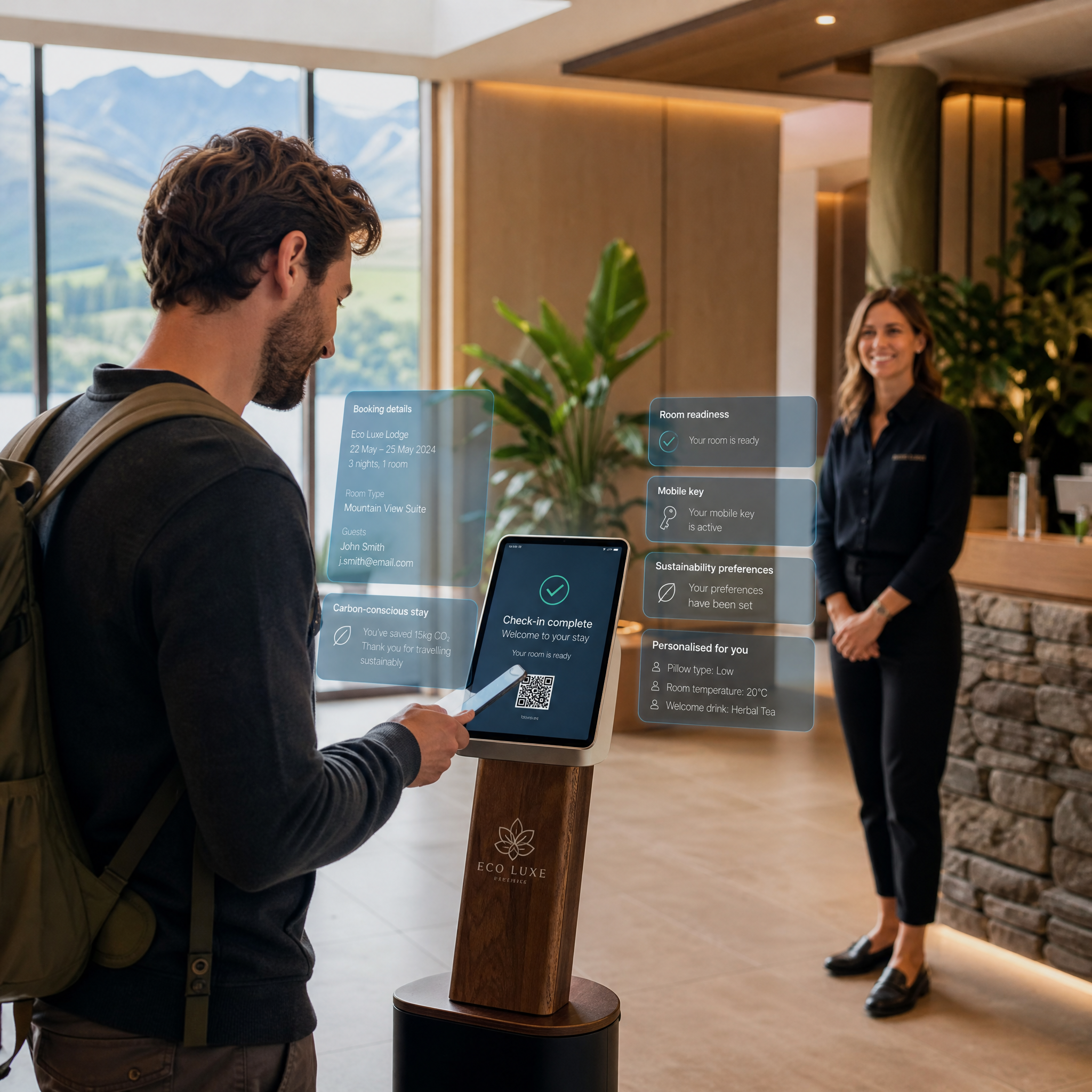
Hotel Management Systems
The Property Management System is the operational core of any hotel - handling reservations, check-in/out, housekeeping, and billing. Channel Managers keep rates and availability synchronised across every booking platform in real time. The market is shifting from expensive legacy systems toward cloud-native platforms with open APIs, enabling specialist tools to connect and disconnect as properties evolve.

Revenue Management and Pricing
Revenue Management Systems set the right price for each room or seat at the right moment, ingesting competitor rates, booking pace, and demand signals to adjust prices thousands of times a day. Properties using sophisticated revenue management consistently outperform peers. The frontier is moving from reactive pricing - matching the market - to predictive, anticipating demand shifts before they appear in booking data.

Guest Experience and CRM
CRM platforms manage guest communications, personalisation, upsells, and loyalty, helping properties drive direct bookings and reduce dependence on third-party channels. Digital check-in, guest messaging, and revenue management tools now integrate directly into the core property system, creating a connected layer that tracks guest preferences from first booking through post-stay review.

Wholesale Hotel Distribution
Bedbanks buy hotel inventory in bulk and resell it to online travel agencies, travel agents, tour operators, and airlines, acting as B2B wholesalers largely invisible to travellers. They move billions of room nights annually and are central to how packaged travel is assembled globally. Rate parity - ensuring wholesale prices do not appear in retail channels at lower rates - remains a persistent industry challenge.

Short-Term Rental Platform
Platforms like Airbnb turned residential properties into travel inventory, creating an accommodation category alongside traditional hotels. Behind the consumer platform sits a growing ecosystem of property management software used by professional operators managing multiple listings. Regulation is tightening globally, and compliance technology is becoming a significant category in its own right.
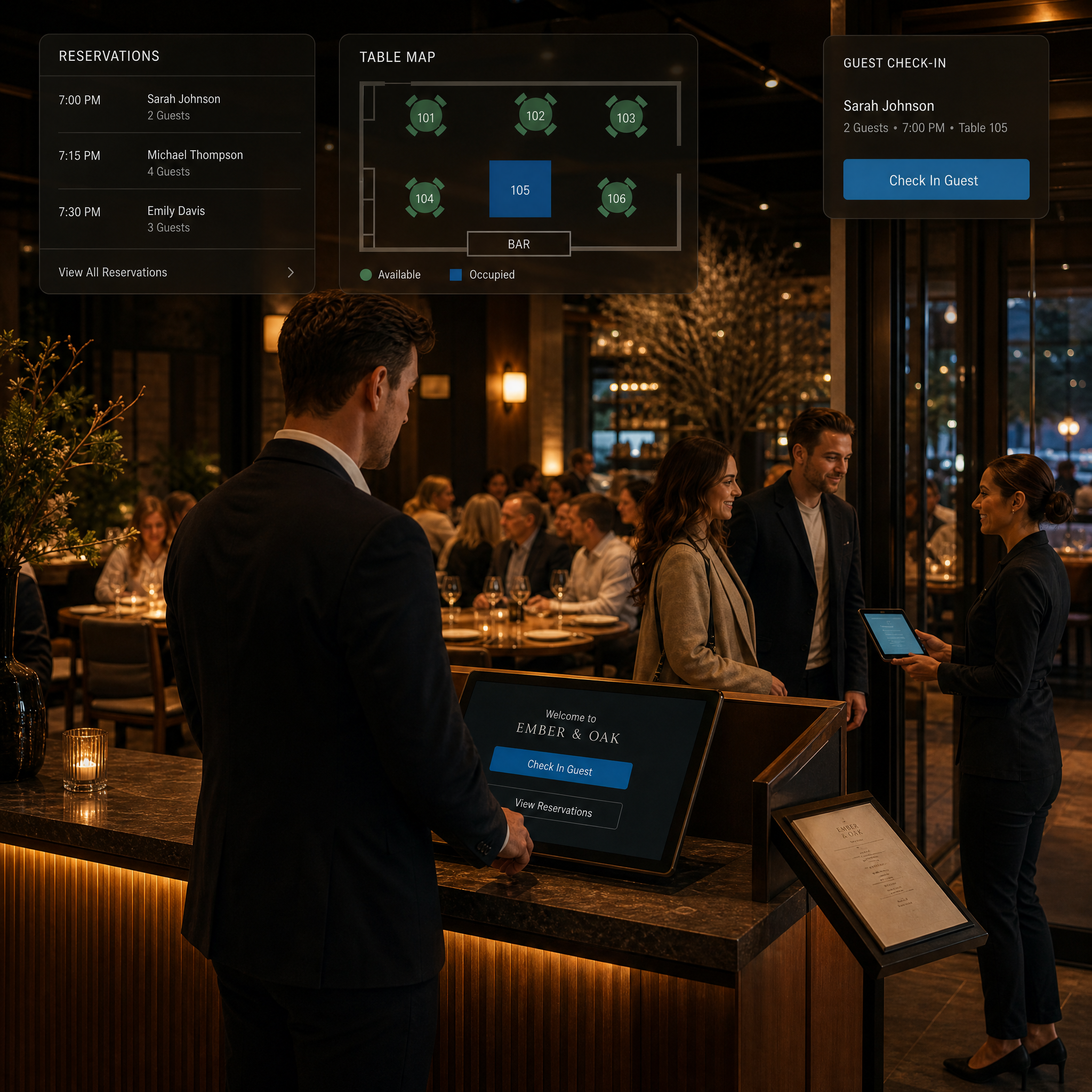
Dining and Restaurant Technology
Reservation engines, table management, point-of-sale systems, kitchen display tools, and CRM platforms underpin every stage of the restaurant experience - most of it invisible to diners. The reservation and discovery layer is consolidating around direct guest relationship ownership, as operators look to reduce dependence on platforms that capture that relationship. AI is increasingly applied to demand forecasting and dynamic pricing.
Experiences

Tours, Activities and Experiences
Tours, activities, and experiences are travel tech's most fragmented and fastest-growing segment. Global marketplaces have made it easier to discover and book experiences that were once hard to arrange, though technology adoption among operators remains low. High margins, early-stage digitisation, and strong demand make this one of the sector's most attractive investment areas.